
How-To & Care
How to Wash Graphic Tees Without Cracking or Peeling
Sep
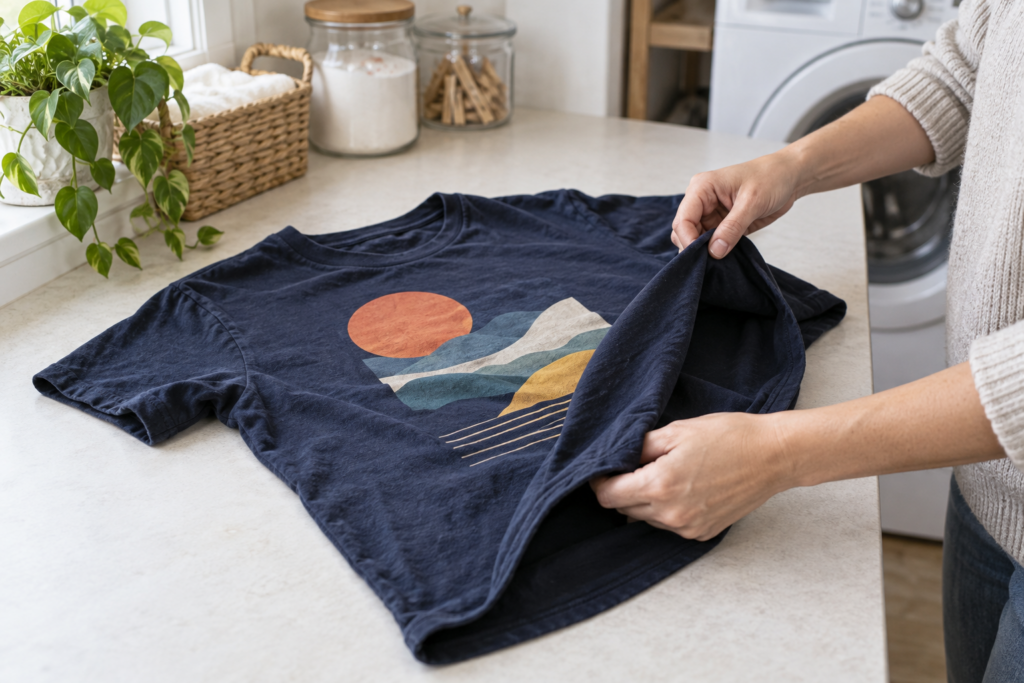
To wash a graphic tee, turn it inside out, check its care label, choose cold water and a gentle cycle, and use a mild detergent. Keep the load loose enough to move and separate the shirt from rough zippers or hardware. After washing, air dry it if convenient or use only the dryer setting its label permits. Those simple choices reduce avoidable heat and rubbing on the design; they cannot guarantee that every kind of print will last forever.
The quick answer: wash inside out, cold and gently
If you are standing in front of the washer with a favorite shirt in hand, use this four-step routine:
- Turn the shirt inside out. The printed face will have less direct contact with the drum and other garments.
- Check the label, then choose cold water. Follow the shirt maker’s specific directions when they differ from general advice. You do not need to invent a precise temperature limit that the label does not give.
- Select gentle or delicate and add a mild detergent. Avoid a tightly packed load, where the garment cannot move freely.
- Wash with similar, soft items. Keep exposed zippers, hooks and other abrasive hardware away from the graphic. A laundry bag can help when you cannot separate the load.
Handwashing is another option for a fragile or treasured shirt: move it gently in cool water with a little mild detergent, rinse thoroughly, and press out excess water without twisting the printed area. It is an option, not a requirement for every graphic T-shirt.
Find Your T-Shirts Style
Read the comparison, then explore current T-Shirts designs.
Why graphic prints crack, peel or fade
A design can look worn in different ways. Color may fade, a printed surface may develop fine cracks, or an edge of a transfer may lift. Those are not the same problem, and no single washing explanation fits every print method. Hot washes and high dryer heat add stress; so does repeated rubbing against a drum, rough fabric or metal hardware. Harsh cleaning products can make care less forgiving.
Our Classic Tees collection describes its designs as direct-to-garment (DTG) water-based ink rather than a vinyl transfer. A shirt made with a different process may have different care instructions. That is why the garment label and the seller’s print-specific advice come first, even when a broad “washing graphic tees” checklist sounds confident.
If a new print starts peeling or cracking after only a few gentle washes, do not assume you caused it. Care is one possible factor; the print or its application may also need the seller’s attention. You cannot diagnose a production issue from a search result alone.
Prepare the shirt before it goes in the wash
A minute of preparation prevents the easiest-to-avoid friction. Start by reading the sewn-in care label and checking whether the garment has unusual trim, embroidery, or a delicate finish. Then:
- Turn the graphic side inward and leave the shirt unbunched.
- Separate light and dark colors as you normally would to reduce color transfer.
- Close any zippers in the load, or wash the tee apart from garments with exposed metal details.
- Check for a stain before washing. Treat the stained fabric gently instead of scrubbing across the design.
You do not have to ban all denim from the same wash. The useful question is whether a heavy or rough item will rub repeatedly against the printed area. If it might, use a separate load or place the inside-out tee in a mesh bag. Keep that bag roomy rather than cramming several shirts inside.
Machine-wash or hand-wash with the least stress
For a machine-washable graphic tee, use the gentle or delicate setting, cold water and a measured amount of mild detergent. An overfull drum reduces rinsing and creates more contact between garments; a very heavy item can also rub against a light shirt. Washing with similar, soft items gives the graphic a calmer ride without requiring a special machine or an elaborate routine.
Skip chlorine bleach on the design. If a stain needs attention, read the cleaner’s directions, test it on an inconspicuous area when appropriate, and work on the fabric rather than rubbing the print. More detergent is not automatically better: use the amount recommended for the load and rinse until no obvious residue remains. Printful’s DTG-care guidance also recommends cold, inside-out gentle washing and mild detergent, and advises avoiding fabric softener for its DTG products. Treat that as method-specific guidance, while following your own shirt’s label first.
Want to wash by hand? Fill a basin with cool water, add a small amount of mild detergent, and move the inside-out shirt through the water without scrubbing the image. Rinse with cool water and press the garment between clean towels to remove excess water. Avoid twisting the printed area. Handwashing may reduce mechanical rubbing, but it cannot fix an unstable print or override a label that calls for another method.
Dry, iron and store without stressing the design
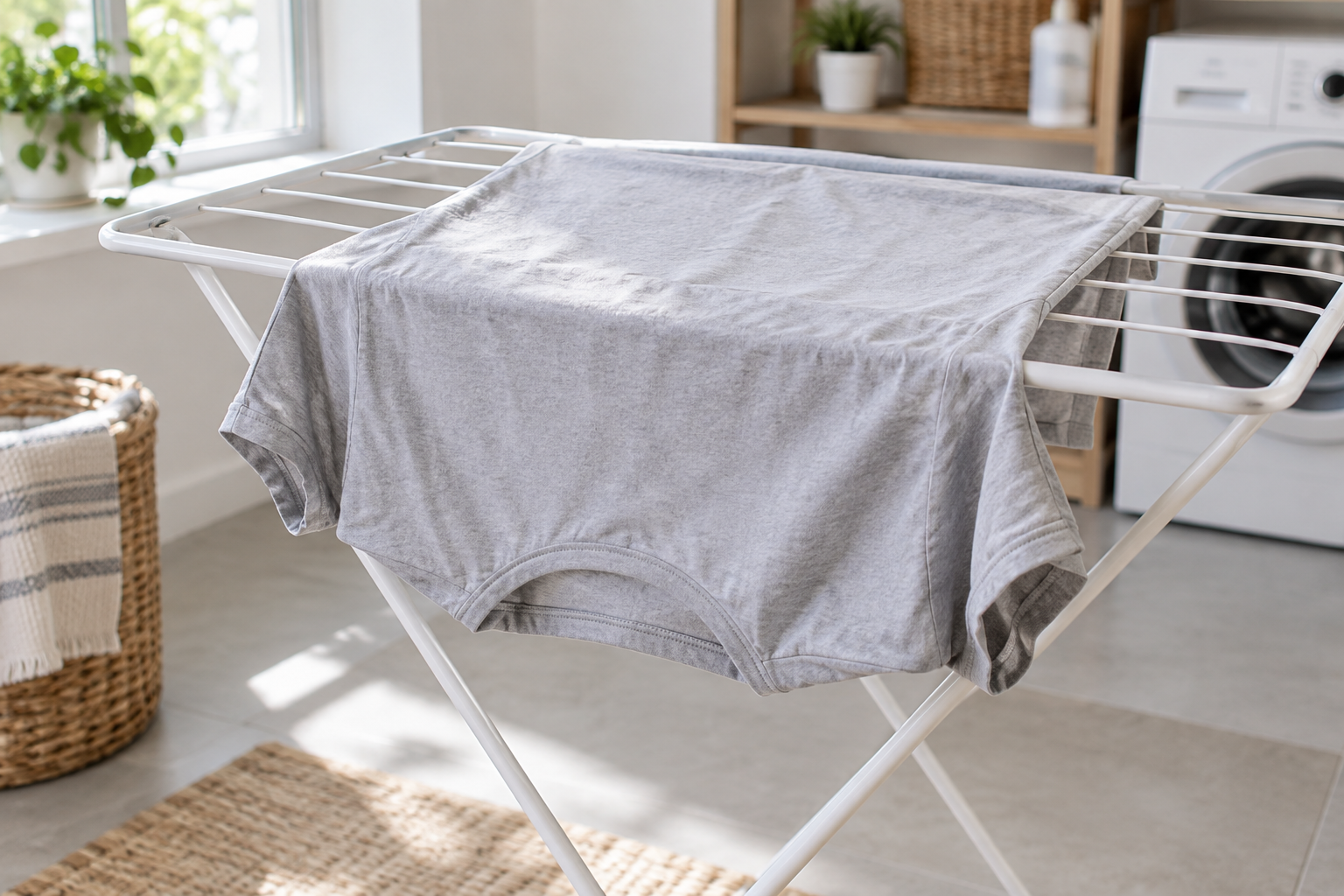
Air drying is an easy way to avoid dryer heat. Lay the shirt flat on a clean rack or drape it so air can circulate; reshape it gently instead of pulling on the printed panel. If you prefer a hanger, choose one that supports the shoulders rather than stretching the neck opening. Keep a wet shirt away from direct high heat such as a radiator.
Air drying is a preference, not a universal ban on dryers. The care directions for Tshirts I Want’s Classic Tees explicitly allow tumble drying on low. If your own label permits it and you need the dryer, choose low heat and remove the shirt when dry. A high-heat setting is the avoidable trap. For other brands or print types, follow their instructions rather than borrowing the Classic Tees rule.
Never place a hot iron directly on the graphic. If the shirt’s label allows ironing, turn it inside out, use the appropriate low or cool setting, and keep the iron away from direct contact with the print. A steamer or a sheet of parchment paper is not a universal safety guarantee; either can still expose a sensitive design to heat. Once the shirt is fully dry, fold it without a hard crease through the image or store it on a supportive hanger.
What to do if the print is already cracking or peeling
Start by identifying what you can actually see. A faded area, surface cracks and a lifting edge call for different conversations with the seller. Do not pick at a loose edge, scrub it, or use a hot iron as an improvised repair. Those moves may enlarge the damage. Take a clear photo, note how many times the garment has been washed, and keep its care label and purchase information available.
From the next wash onward, use the gentlest method the label permits and avoid high heat. That may limit further stress, but washing cannot re-bond a peeling graphic. If the failure appeared unusually early despite following the instructions, contact the seller and describe the care routine you used. Ask whether the print has a specific remedy or whether another resolution is appropriate. A home “heat fix” copied from advice for a different print method can damage the fabric.
A simple care routine to remember
- Before: Read the label, turn the tee inside out, and keep rough hardware out of the load.
- Wash: Choose cold water, gentle movement and mild detergent; leave room in the machine.
- Dry: Air dry when convenient or use the low setting your shirt’s instructions permit.
- After: Keep direct iron heat off the print and fold or hang the fully dry shirt with support.
That routine answers both “how to wash a graphic tee” and “how to keep graphic tees from peeling” without pretending care alone controls every print outcome. When in doubt, let the specific garment label settle the choice.
Frequently Asked Questions
Should you wash graphic tees inside out?
Yes. Turning a graphic tee inside out reduces direct rubbing against the print in a machine load. Follow the garment’s own care label as well.
Can you machine-wash a graphic T-shirt?
Usually, if its care label allows it. Choose cold water and a gentle cycle, wash with similar soft items, and avoid overloading the machine.
How do you wash graphic tees without cracking the print?
Turn the tee inside out, use a cold gentle wash and mild detergent, and keep high heat and rough abrasion away from the design. These habits reduce avoidable stress but cannot guarantee a print will never crack.
Can graphic tees go in the dryer?
Check the garment label first. Tshirts I Want’s Classic Tees instructions allow tumble drying on low; air drying is another option when you want to avoid dryer heat altogether.
Can you use fabric softener or bleach on a printed tee?
Skip chlorine bleach on the design. Mild detergent is the safer default; Printful’s DTG-care guidance also advises avoiding fabric softener. Follow the specific print seller’s instructions if they differ.
Can you fix a graphic that is already peeling?
Washing cannot reattach a peeling print. Stop rubbing or picking at it, document the damage, and ask the seller about care or remedy options, especially if the problem appeared after only a few gentle washes.
Explore graphic tees you can care for
When you are ready for another design, the Classic Tees collection is an easy place to browse. Pick a graphic you enjoy, then check the specific garment details and care label before your first wash. The routine above is meant to help you look after a shirt you already own, whether or not you shop for another one.
