
Buying Guides
Does Cotton Shrink? What to Expect and How to Choose the Right Size
Sep
When people ask “does cotton shrink?”, they usually want a practical answer: what can happen after laundry day, how much uncertainty to expect, and whether that uncertainty should change the size they buy. The useful answer is more nuanced than a universal percentage.
Does Cotton Shrink? The Short Answer
Yes. A tee can end up smaller after washing or drying, especially when its construction, finishing, and care history leave room for dimensional change. The exact result is garment-specific, which is why a single shrinkage number is a poor sizing rule.
Think of shrinkage as a range of possible change rather than a guaranteed outcome. Water can let a knit structure relax. Heat can increase the chance of further movement. Agitation, drying method, prior laundering, and the way the garment was made can all change the result. Two shirts that look similar can therefore behave differently.
For a shopper, that means the best decision comes from two pieces of information: how much room you want in the fit before washing, and what the exact product tells you about its composition, measurements, and care. If a tee already feels borderline tight, there is less margin for any change. If it has comfortable ease and you follow gentler care, the sizing decision is less fragile.
Before buying, it helps to separate a fabric question from a fit question. The fabric question asks whether laundering might change the garment. The fit question asks whether that possible change would matter to you. A small change may feel insignificant in a roomy tee but frustrating in one that already pulls across the shoulders or sits shorter than you prefer. That is why your favorite well-fitting shirt is useful as a comparison when you read a product chart.
Why Cotton Can Shrink in the Wash and Dryer
A knitted tee is a network of fibers and yarns held in a particular shape. During manufacturing, those yarns can carry tension from spinning, knitting, dyeing, finishing, cutting, and sewing. Laundering changes the conditions around that structure. Water allows parts of the knit to move and relax; mechanical action can help that movement; drying can set the garment into a somewhat different shape.
Heat matters because higher temperatures generally make a cautious care routine less forgiving. A hot dryer is not a precision resizing tool. It can produce more change than you wanted, and the result does not have to be perfectly even from one direction of the garment to another.
The first few laundry cycles are also more informative than a simple rule like “every wash makes it smaller.” Once a garment has already gone through laundering, some of the easy structural relaxation may already have occurred. Later cycles can still affect it, but the amount depends on the same conditions: temperature, agitation, drying, construction, finishing, and prior history.
Consider the full wash-and-dry routine rather than blaming one machine setting. Water exposure and motion can change the knit before the shirt ever reaches the dryer. Then drying adds another set of conditions: temperature, duration, and how long the shirt stays in the drum. If you are trying to understand what happened to a favorite tee, think about which parts of your routine changed since its last wash. That gives you a more useful clue than assuming all cotton responds alike.
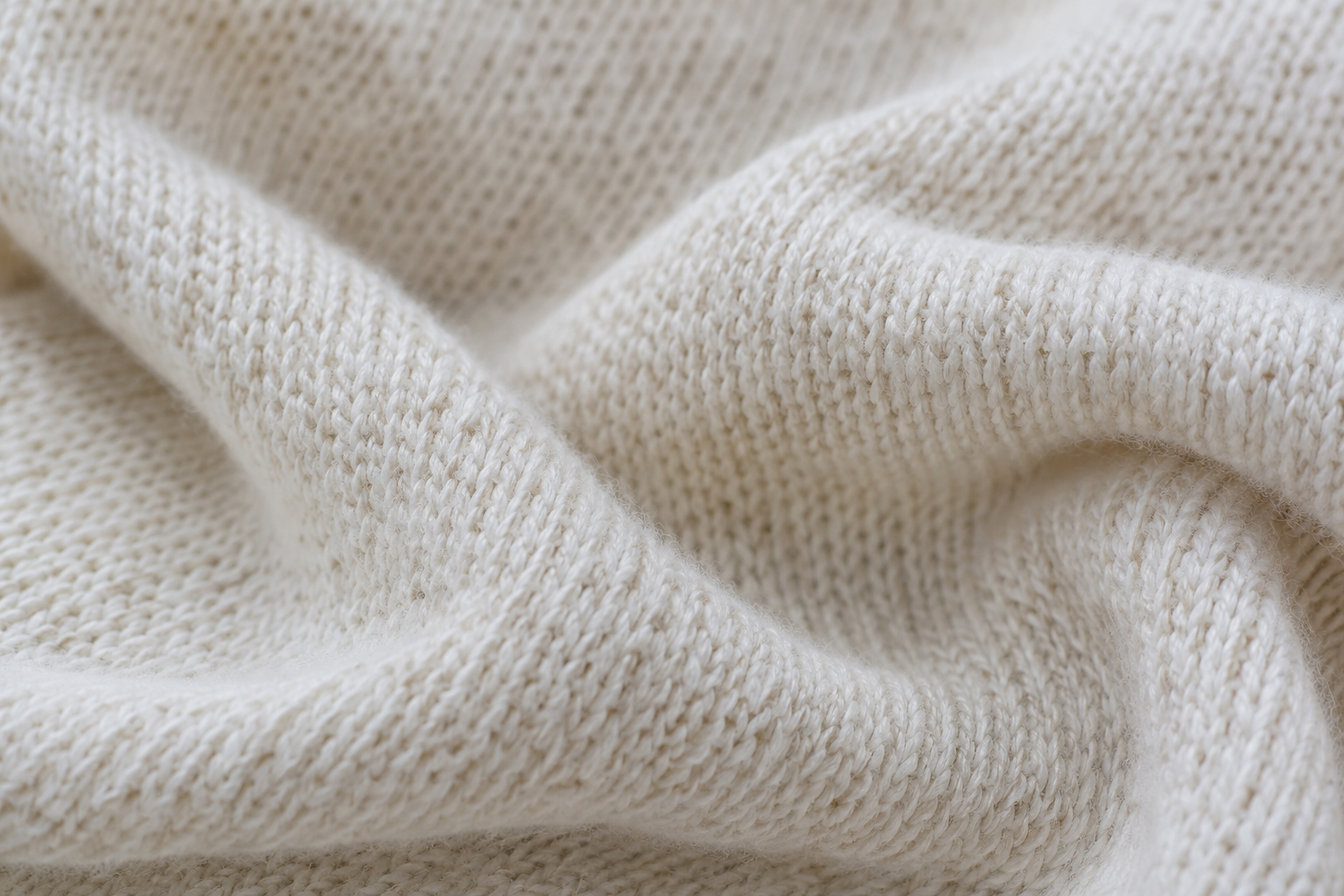
The practical lesson is simple: treat care as a way to reduce uncertainty, not as a way to force a precise size change. Start with the fit you actually want, then use the garment’s own care information to protect that fit.
How Much Does Cotton Shrink? 100% Cotton vs. Blends
The safest answer to “how much” is that the change is garment-specific. A percentage quoted without the exact tee, construction, finishing process, measurement direction, and laundry conditions can sound more precise than the evidence supports.
Fiber composition is still useful context, but it should not replace the product information for the item you are buying. Some tees combine different fibers, while others use a single fiber type. Those constructions can respond differently to laundering, and color choices can sometimes come with different compositions even within the same general style.
On T-Shirts I Want, check the exact option you are ordering rather than assuming every color or design has identical composition. The Classic Tees collection also directs shoppers to the exact product size chart. For a broader side-by-side buying context, see our cotton vs performance shirts guide.
For sizing, the important question is not “Which universal percentage should I subtract?” It is “How much fit margin do I have if this particular tee changes after laundering?” That keeps the decision tied to the garment in front of you.
Be especially careful when comparing shirts by a single size label. A medium in one style does not tell you the body width, length, or sleeve shape of another style. If the product chart offers garment measurements, compare those dimensions with a tee that fits you well. Lay your reference tee flat without stretching it, and use the same measurement points shown by the chart. The goal is to make an informed starting choice, not to calculate a future washed size down to a fraction of an inch.
What Pre-Shrunk Really Means
“Pre-shrunk” is best understood as a process claim, not a promise that a garment can never change again. In general use, it means steps were taken before sale to reduce some residual dimensional change. It does not turn future laundering into a perfectly fixed outcome.
That distinction matters when shopping. A label or product description can tell you something about how the garment was prepared, but it does not justify assuming zero future movement. Construction, care, and prior laundering still matter, and the exact product information should win over a generic rule.
It is also a reason to avoid converting a “pre-shrunk” label into a sizing formula. If you prefer a relaxed fit, choose based on the measurements and room you want to wear. If you prefer a closer fit, remember that even a small amount of change may be more noticeable because you started with less ease.
Should You Size Up If You Are Worried About Shrinkage?
Sometimes sizing up can make sense, but it should be a fit decision rather than an automatic rule. Use this checklist before you order:
- Start with your preferred fit. Decide whether you want close, standard, or relaxed room through the chest and body.
- Use the exact product size chart. Compare a shirt you already like with the listed measurements when that information is available.
- Check the exact color and composition. Do not assume every option under one design behaves identically.
- Think about your care routine. If you routinely use high heat, your margin for dimensional change is different from someone who washes cold and dries gently.
- Avoid guaranteed conversions. “One size up” is not a scientific substitute for the product measurements or your preferred ease.
If you are between sizes, the decision is mostly about which mistake would bother you more: starting slightly roomier, or risking a closer fit after laundering. That is personal fit preference, so the product chart and a favorite shirt you already own are better guides than a universal shrinkage estimate.
It can help to write down the dimensions of your reference tee before shopping. Note where the chest width and body length feel right, then compare the chart for the exact design and color you plan to order. If you want to layer the tee or prefer extra room when seated or moving, account for that preference before you weigh any possible laundry change. If a listed measurement already misses your preferred fit, sizing up only because of a generic cotton rule may not solve the real issue.
Explore the T-Shirts Category
Browse current graphic designs from the T-Shirts collection.
 Be Careful Who You
 Classic Camera T-Shirt
How to Minimize Shrinkage in a Cotton Graphic Tee
If keeping the current fit is the goal, favor a conservative care routine. Start with the care label on the exact garment, because it is the most relevant instruction for the item you own.
- Wash cold when the garment instructions allow it.
- Use a gentle cycle and avoid unnecessary agitation.
- Avoid unnecessary high heat during drying.
- Remove the tee promptly rather than leaving it in prolonged heat.
- When in doubt, choose the gentler drying option permitted by the care label.
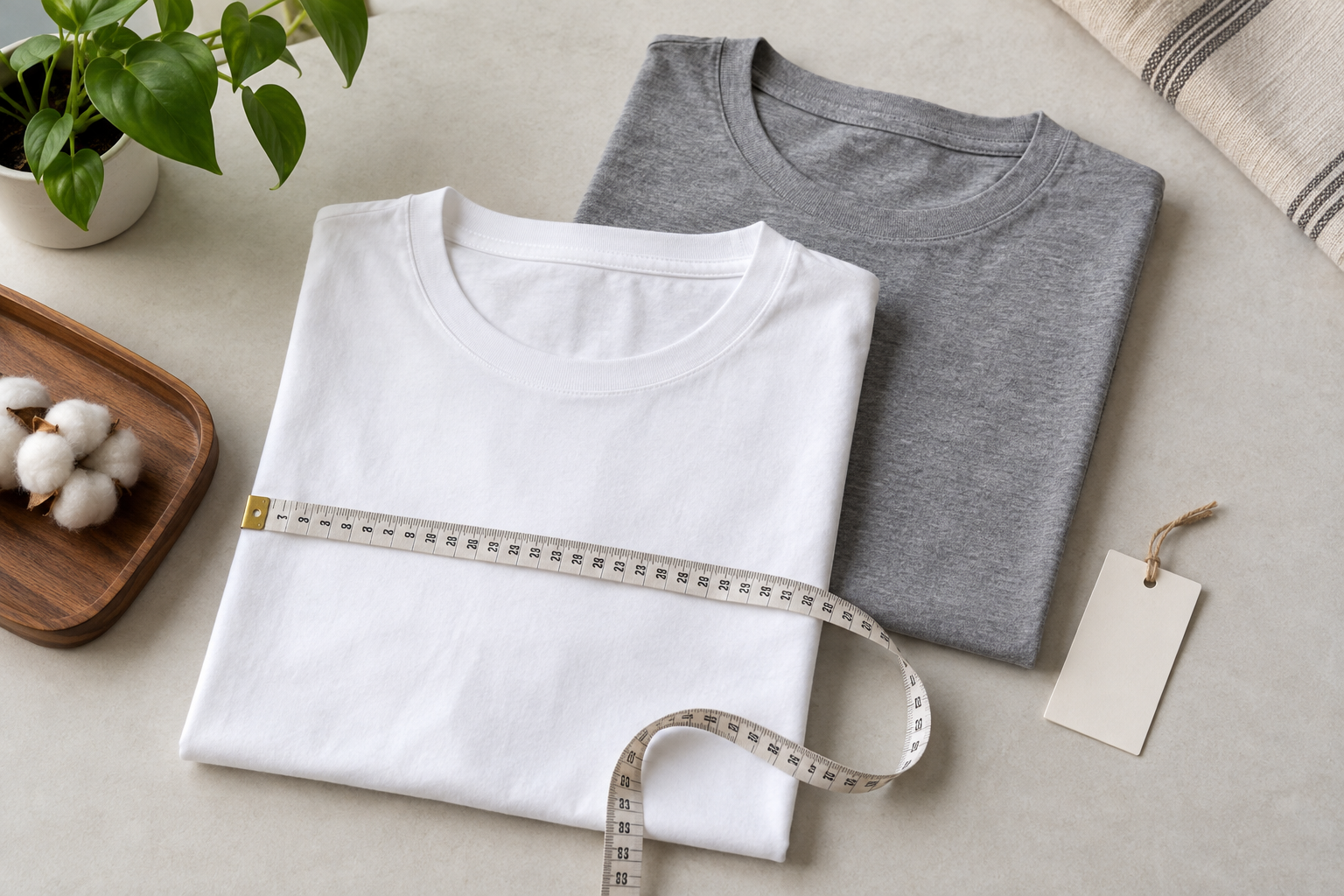
Those steps also keep the routine simple: you are reducing avoidable stress instead of trying to predict an exact dimensional change. For the full print-care routine, including washing and drying choices for decorated shirts, follow our guide on how to wash graphic tees.
When a shirt is new, save the care information before removing any hanging tag. If the garment has a sewn-in label, read it again before changing your usual laundry routine. A shared household dryer setting may be convenient, but it is not automatically the right setting for each garment. If the label permits more than one drying method, choose the option that best matches your goal of preserving the current fit.
It is also useful to compare the tee with itself over time. After the first wash, lay it flat and check how the body length, chest width, and overall shape feel when you wear it. That observation is more relevant to your next care decision than a generic claim about every cotton shirt. If the fit changes in a way you dislike, use the care label to guide a gentler routine for later washes.
Frequently Asked Questions
Does cotton shrink every time you wash it?
Not necessarily by a noticeable amount every time. Most dimensional change is garment- and process-dependent, so prior laundering, construction, finishing, water temperature, agitation, and drying conditions all matter.
Should you put 100% cotton in the dryer?
Check the care label first. Higher heat generally raises dimensional-change risk, while current store graphic-tee guidance favors low heat when machine drying is allowed.
How much does 100% cotton shrink?
There is no single percentage that applies to every 100% cotton garment. Construction, finishing, direction of measurement, and laundering conditions change the result, so use the exact garment care and size information instead of a universal number.
Can you unshrink cotton clothes?
Some wet reshaping methods may recover part of the lost dimension in some garments, but recovery is not guaranteed and should not be treated as precision resizing.
Choose the Tee, Then Check the Exact Fabric and Size
Shrinkage is easier to manage when you do not ask one generic percentage to make the buying decision for you. Start with the fit you want, check the exact product information for the design and color you are considering, and choose a care routine that protects the room you want to keep.
If you are ready to browse, explore the Classic Tees collection. Before ordering, recheck the exact composition, care guidance, and product size chart for your chosen option. That keeps the final decision tied to the tee you will actually wear.
Keep the care label handy after the tee arrives. Following it consistently gives you a better chance of keeping the fit you chose.
